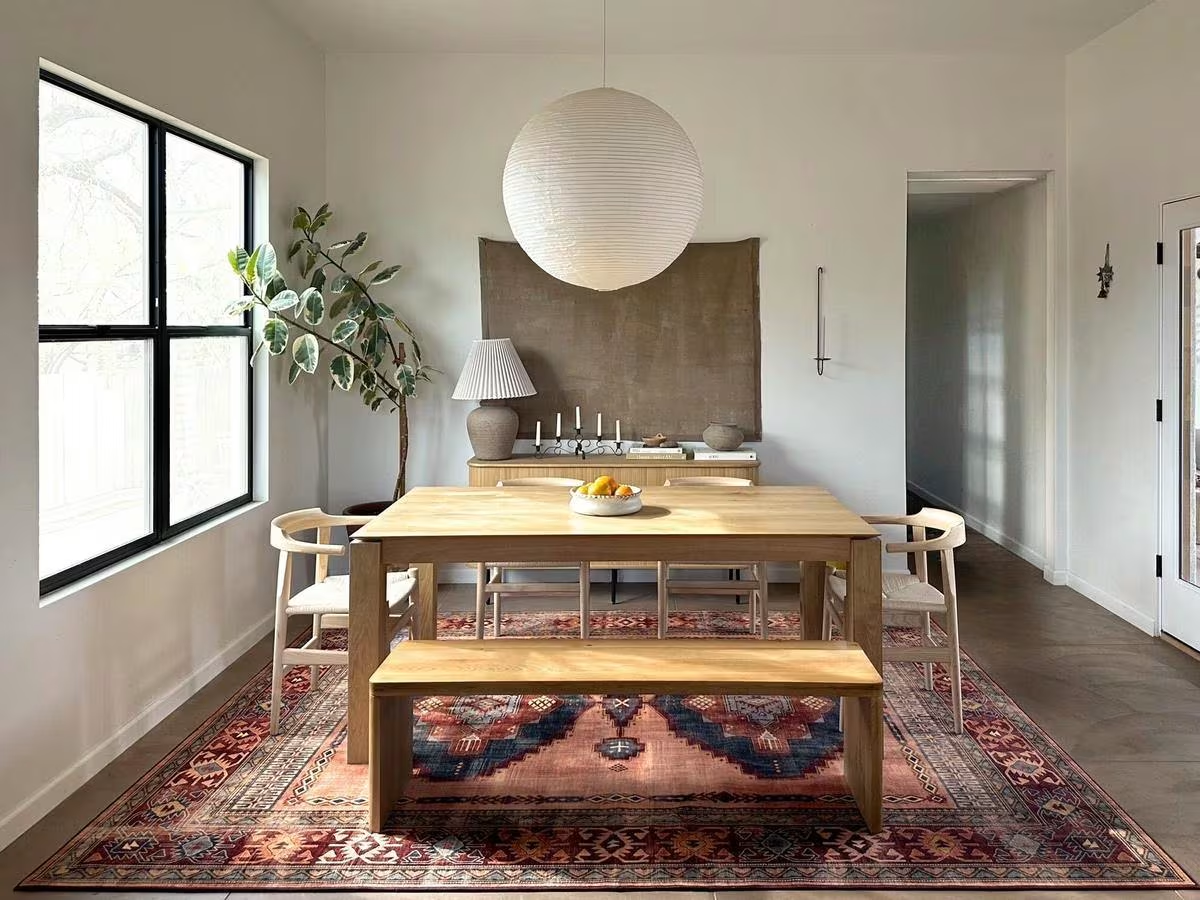
Short answer: yes — for most spaces, a rug under a dining table is one of the simplest ways to make the room feel finished, functional, and ready for real life.
But the longer answer depends on your floor type, layout, household, and lifestyle. This guide walks through exactly when a dining room rug makes sense, when you might skip it, and what to look for once you've decided to go for it.
The Quick Decision
Factor | With Rug | Without Rug |
|---|---|---|
Floor Protection | Shields from scratches & chair wear | Direct daily wear on floors |
Sound | Absorbs noise and echo | Hard floors amplify sound |
Visual Definition | Anchors the dining zone | Can feel unfinished or floating |
Comfort | Warmer underfoot | Cold tile or wooden floors |
Open-Plan Layouts | Creates visual separation | Dining area blends into other zones |
Maintenance | Requires occasional cleaning | No rug upkeep needed |
Best For | Most homes, especially with kids, pets, or open layouts | Minimalist spaces or temporary setups |
The short version: If you want a defined, polished look with added floor protection, a rug almost always makes sense. The only real reason to skip it is a very small space, a minimalist aesthetic where clean floors are intentional, or a temporary setup where a rug isn't practical yet.
Should You Use a Rug by Floor Type?
Not every floor has the same needs — and the case for a dining rug shifts slightly depending on what's underneath. Here's a quick breakdown:
Floor Type | Rug Recommended? | Why It Matters for Dining |
|---|---|---|
Wooden floors | Strongly yes | Chair legs create daily micro-scratches; a rug is your best protection |
Tile | Yes | Adds warmth and absorbs the echo that hard surfaces create in dining spaces |
Vinyl flooring (including LVP) | Yes | Comfortable and stylish; use a floor-safe pad to prevent discolouration |
Carpet | Generally no | Layering over carpet creates instability and a cluttered look |
Marble / Stone | Yes | Reduces slipperiness and adds warmth to a cold, reflective surface |
Concrete | Yes | Softens a hard industrial surface and adds visual warmth |
For full guidance on pairing rug colour, texture, and style with each of these floor types, see our Rug Pairing Guide: How to Pair Your Rug Colour and Style With Your Floor.
Real-Life Scenarios: When a Dining Rug Makes the Most Sense
Open-Plan Layouts
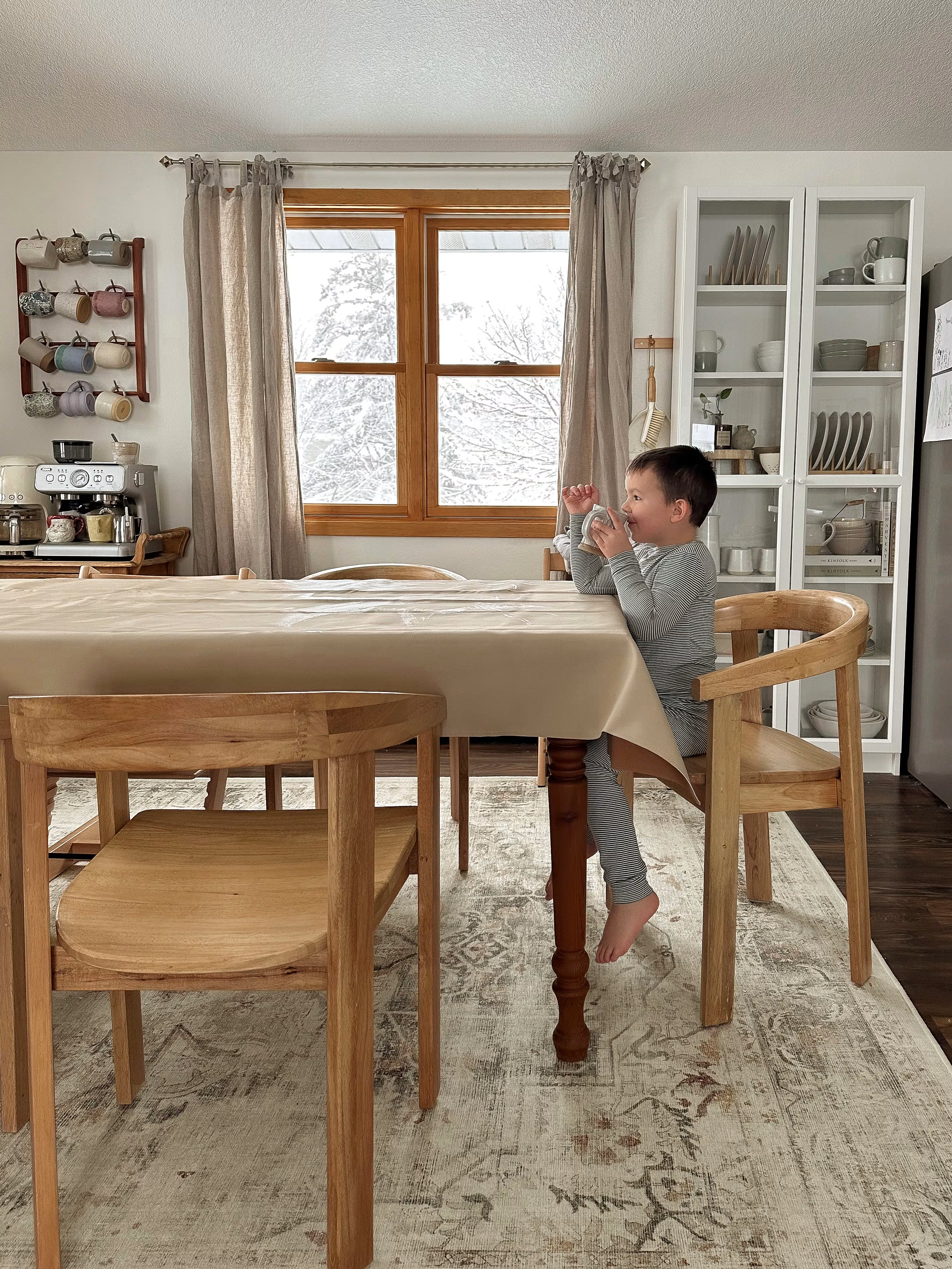
In homes where the dining area flows into the living room or kitchen without walls to separate them, a rug is one of the most effective tools for zone definition. It creates a visual boundary that says "this is the dining space" — without adding physical barriers or disrupting the open feel.
Without a rug in an open layout, the dining table can feel like it's just floating in the room. A rug grounds it.
Homes with Kids or Pets
The biggest hesitation here is usually spills — and it's a fair one. But consider the alternative: without a rug, every dropped plate and spilled drink hits your floors directly. On wooden floors especially, that's a long-term problem.
A washable dining room rug flips that equation. Spills land on something you can throw in the wash rather than something you need to refinish. It makes the dining room a space to actually use, not protect.
Renters
If you're renting, protecting the existing floors is especially important — damage can put your tenancy deposit at risk. A rug under the dining table absorbs daily chair wear and protects the landlord's floors without any permanent modification.
Bonus: a washable rug is easy to roll up and take with you when you move.
Entertaining-Focused Homes
If your dining table gets heavy use — dinner parties, festive gatherings, regular family meals — a rug helps absorb both the physical and acoustic impact of a lively room. It softens sound, adds comfort for long dinners, and makes the space feel intentional when guests arrive.
Minimalist or Modern Aesthetics
This is the one situation where going rug-free can actually be the right call. If your design intention is clean lines, exposed floors, and an uncluttered look, a rug may compete with rather than complement the space. In this case, the design choice to skip it is valid — just make sure you're protecting your floors another way.
Common Hesitations — Answered
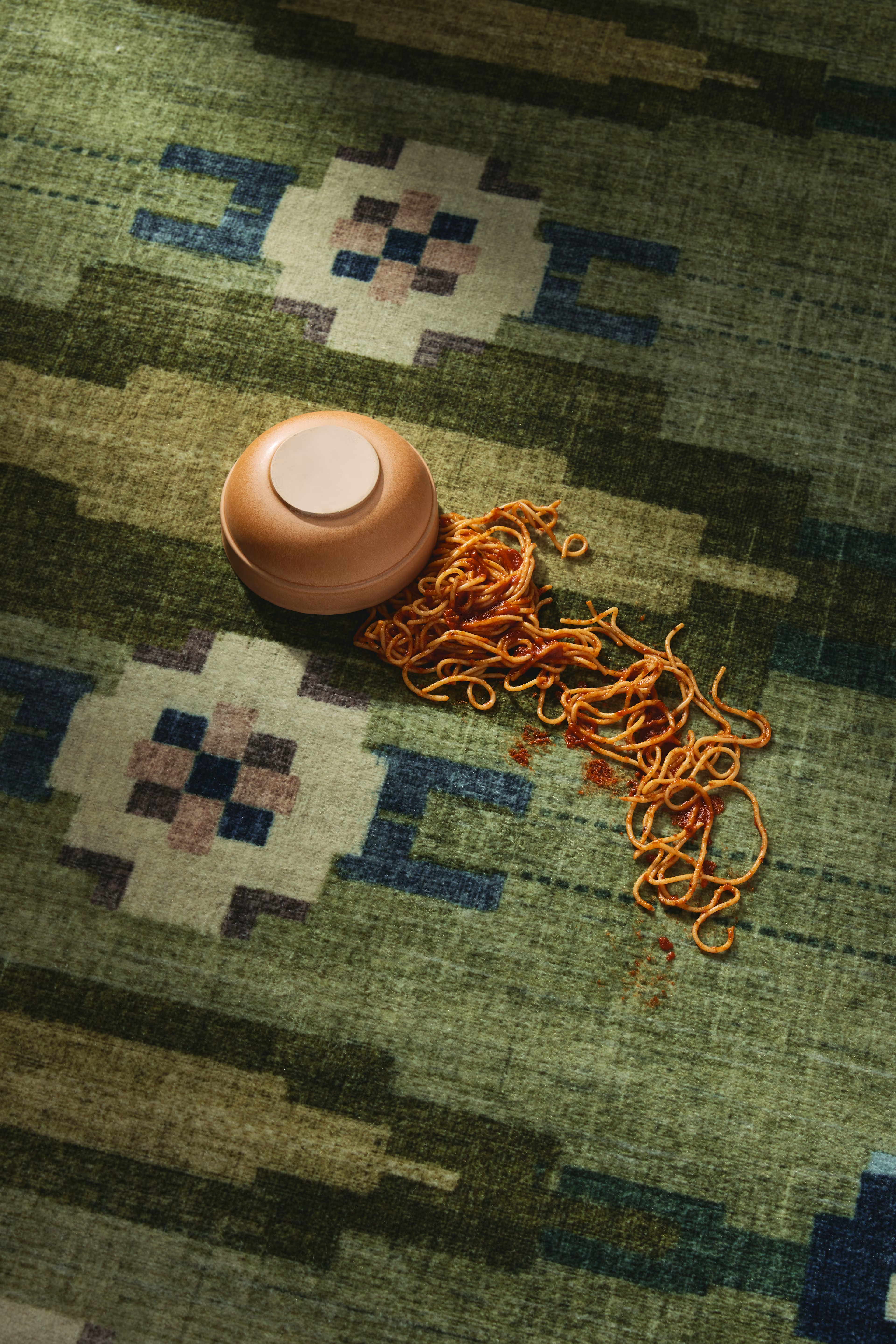
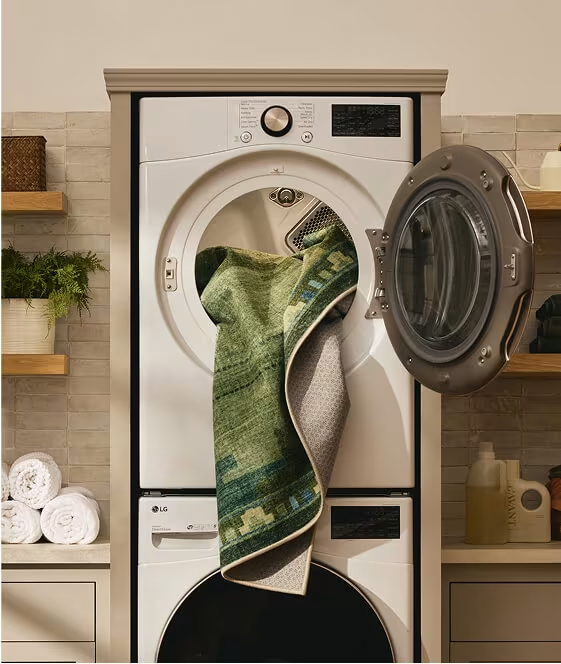
"Won't it get ruined by spills?" This is the most common concern, and it's exactly what washable rugs are designed to solve. A Ruggable dining room rug goes in the washing machine — spills, crumbs, and pet messes included. The fear of ruining a rug is largely removed when the rug is built to be washed.
"Will chairs get stuck or catch on the edges?" Only if the rug is too small or has a thick, high pile. A properly sized low-pile or flatwoven rug allows chairs to glide naturally. The key is making sure all chair legs stay on the rug even when pulled out — which is a sizing issue, not a rug issue. For measurement tips, see our Rug Size Guide.
"Will it make my small dining room feel even smaller?" Counterintuitively, a well-sized rug often makes a small room feel larger and more intentional — not smaller. The mistake is going too small. An undersized rug that just sits under the table legs creates visual crowding. Sizing up and letting the rug define the full dining zone is what creates an open, finished look.
"Is it worth the upkeep?" With a traditional rug, the maintenance concern is legitimate. With a washable rug, it largely disappears. Machine-washable dining rugs are designed for high-traffic, spill-prone spaces — so the upkeep is about as simple as doing a load of laundry.
"What about dogs or cats?" Pet-friendly dining rooms are one of the strongest use cases for a washable rug. Pet hair, tracked-in dirt, and the occasional accident are all manageable when the rug can go in the wash. Look for rugs with tighter weaves that don't trap pet hair and are easy to vacuum between washes.
What to Look for in a Dining-Friendly Rug
Once you've decided a rug is right for your space, these are the qualities that matter most in a dining context specifically:
Low pile or flatwoven construction. Chairs need to glide in and out smoothly multiple times a day. High-pile rugs create resistance and cause chairs to catch. A low-profile surface keeps movement effortless.
Washability. Dining rooms are spill zones. A washable rug isn't a luxury — it's a practical requirement for a space that sees daily food and drink traffic.
Durability. Look for rugs built for high-traffic use. Tight weaves and durable fibres hold up better to the repeated compression and movement of dining chairs.
A floor-safe backing or quality pad. A rug that shifts every time someone pulls out a chair is frustrating and a safety concern. For vinyl and LVP floors especially, make sure your rug pad is rated to avoid discolouration — Ruggable's system is designed to be safe on all common flooring types.
FAQs: Rugs Under Dining Tables
Yes — it's one of the most commonly recommended design moves for dining rooms. As long as the rug is properly sized, low enough pile for chair movement, and durable enough for daily use, it's a practical and stylish choice for most homes.
Yes, especially on wooden floors. Chair legs create repeated friction that scratches wood floors over time. A rug acts as a protective layer and can significantly extend the life of your floors.
Not if sized correctly. An undersized rug can feel cramped, but a properly proportioned rug that extends past the table actually makes a dining room feel larger and more defined. When in doubt, choose the larger size.
Not with a washable rug. Machine-washable dining rugs are designed specifically for spill-prone spaces — crumbs, pet hair, and food messes all clean up easily. For care instructions, visit our machine washing guide.
Low-pile, flatwoven, and washable rugs perform best. They allow chairs to move freely, hold up under daily use, and make cleanup simple. Avoid high-pile or shag rugs, which create resistance and trap crumbs.
For most households, yes. The combination of floor protection, noise reduction, visual definition, and added warmth makes a dining rug a practical upgrade, not just a decorative one. With a washable option, the maintenance concern essentially disappears.
Final Thoughts
A rug under your dining table isn't just a styling choice — it's a functional one.
It protects your floors from daily wear, defines the dining zone in open layouts, softens sound, and adds comfort to a space your household uses every day. For homes with kids, pets, or frequent guests, it's one of the most practical investments you can make in a room.
The only real question is finding the right rug for your space — and that starts with knowing what to look for. Browse Ruggable's dining room rug collection for washable, stain-resistant options designed for real-life dining.
More From The Blog


Ruggable
The Ruggable Team delivers home decor inspiration, practical rug care tips, and the latest interior styling trends. Our interior design enthusiasts and textile experts share creative ideas and easy-to-follow advice, helping you create stylish, comfortable, and easy-to-maintain spaces.
Follow Us