Rug Guide
Industrial Interior Design: The Complete Guide to Industrial Rugs & Decor
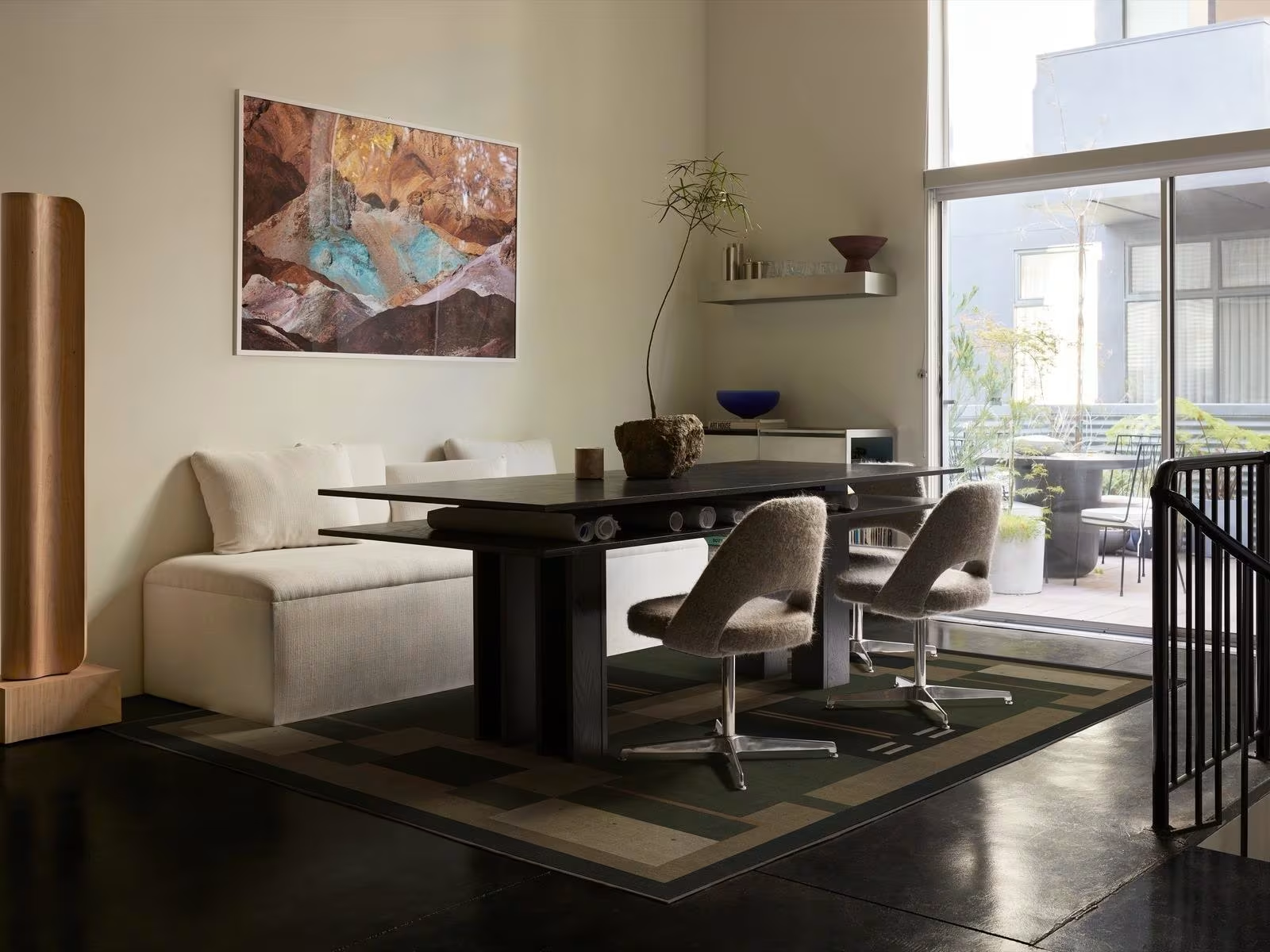
If you've ever been drawn in by exposed brick, steel beams, or the dream of living in a sun-drenched loft, you already know the pull of industrial decor. Rooted in the adaptive reuse of old factories and warehouses, it's evolved far beyond its gritty origins. Today it's about embracing raw materials and open space, then layering in enough warmth to make it feel like home.
The rug is where that balance starts. Get it right, and everything else falls into place.
Below, we break down how to choose and style industrial rugs room by room, from loft living rooms to narrow hallways.
What is Industrial Decor?
Industrial interior design is defined by the raw, utilitarian aesthetic of converted factories and warehouses, featuring exposed brick, metal framing, and concrete floors, balanced with modern comfort to create spaces that feel open, textural, and effortlessly cool.
Key characteristics include:
Neutral, muted palettes (charcoal, slate, warm grey, black, rust, cream)
Raw and reclaimed materials (steel, iron, concrete, weathered wood)
Exposed structural elements (brick walls, ceiling beams, ductwork, pipes)
Streamlined, utilitarian furniture with clean lines
Statement lighting (Edison bulbs, caged pendants, matte black fixtures)
Contrast between hard surfaces and soft textiles
How To Choose The Right Industrial Rug
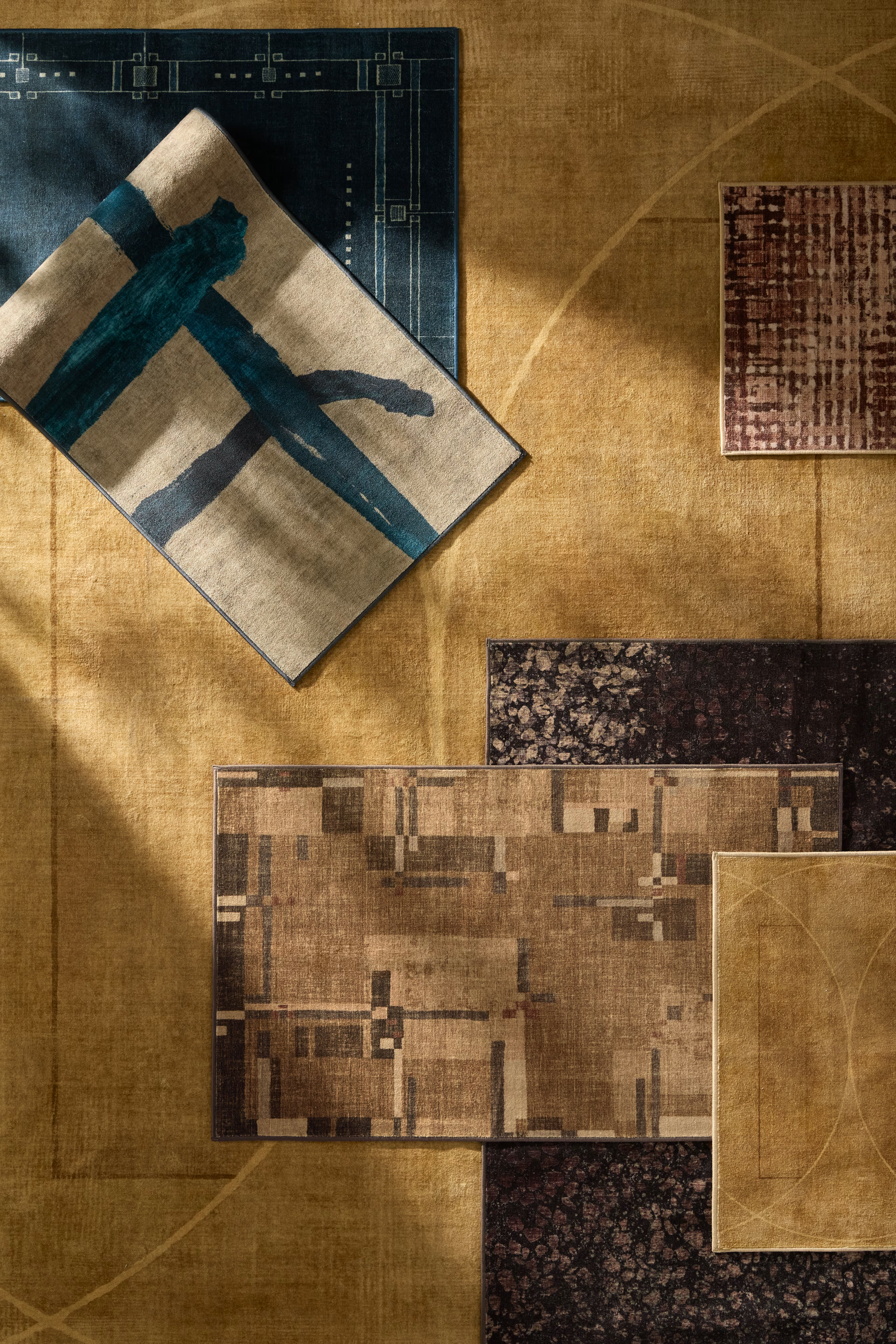
The right rug pattern adds balance and dimension to an industrial space without competing with the architecture. Here's how to choose:
Geometric (linear, grid, chevron): Best for modern industrial spaces with clean lines. Structured patterns echo metal framing and factory windows.
Distressed or vintage Persian: Softens hard edges and adds a "collected over time" feel. The worn-in look contrasts beautifully with steel and concrete.
Abstract or painterly: Ideal for contemporary industrial interiors that lean artistic. Fluid designs complement exposed brick and open layouts.
Solid or tonal neutrals: Smart when architectural elements are the focal point — warm greys, taupes, and charcoals ground the space without distraction.
Low-pile and flatwoven rugs tend to work best: they mirror the clean lines of metal and concrete, stand up to high traffic, and maintain a tailored, unfussy look. A washable rug lets you experiment freely without worrying about wear and tear.
Industrial Rug Ideas by Room
Best Industrial Rugs For The Living Room
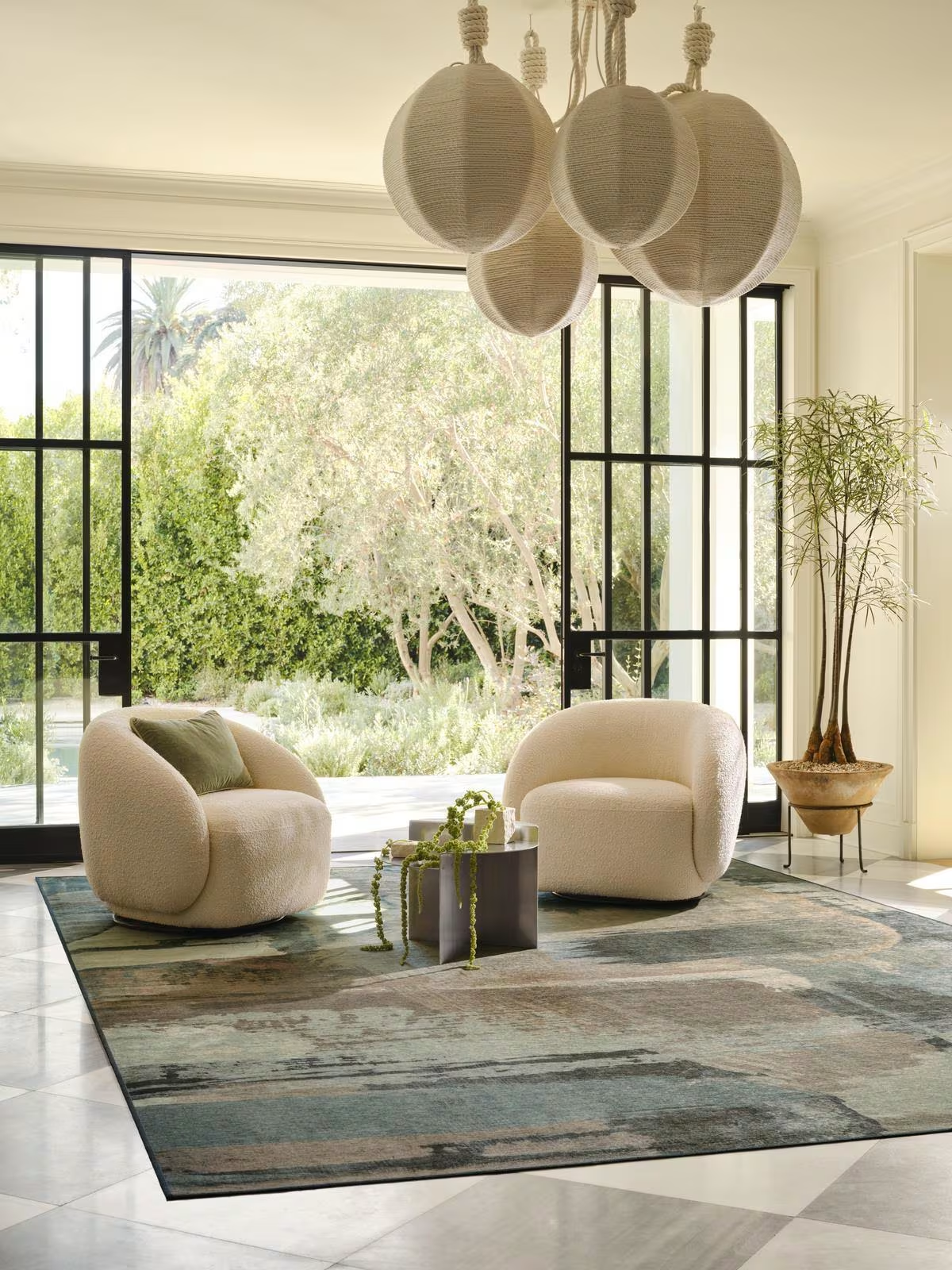
The living room is where industrial style really comes together. A large area rug in a geometric or distressed pattern anchors the furniture and establishes an inviting focal point within all that open space.
Layer in leather cushions, metal-framed coffee tables, and chunky knit throws. If your rug has warm undertones such as rust, charcoal, or aged bronze, let it guide the palette for pillows, art, and accents. Repeating those tones throughout the room helps tie the look together without feeling overly coordinated.
Industrial Bedroom Rugs
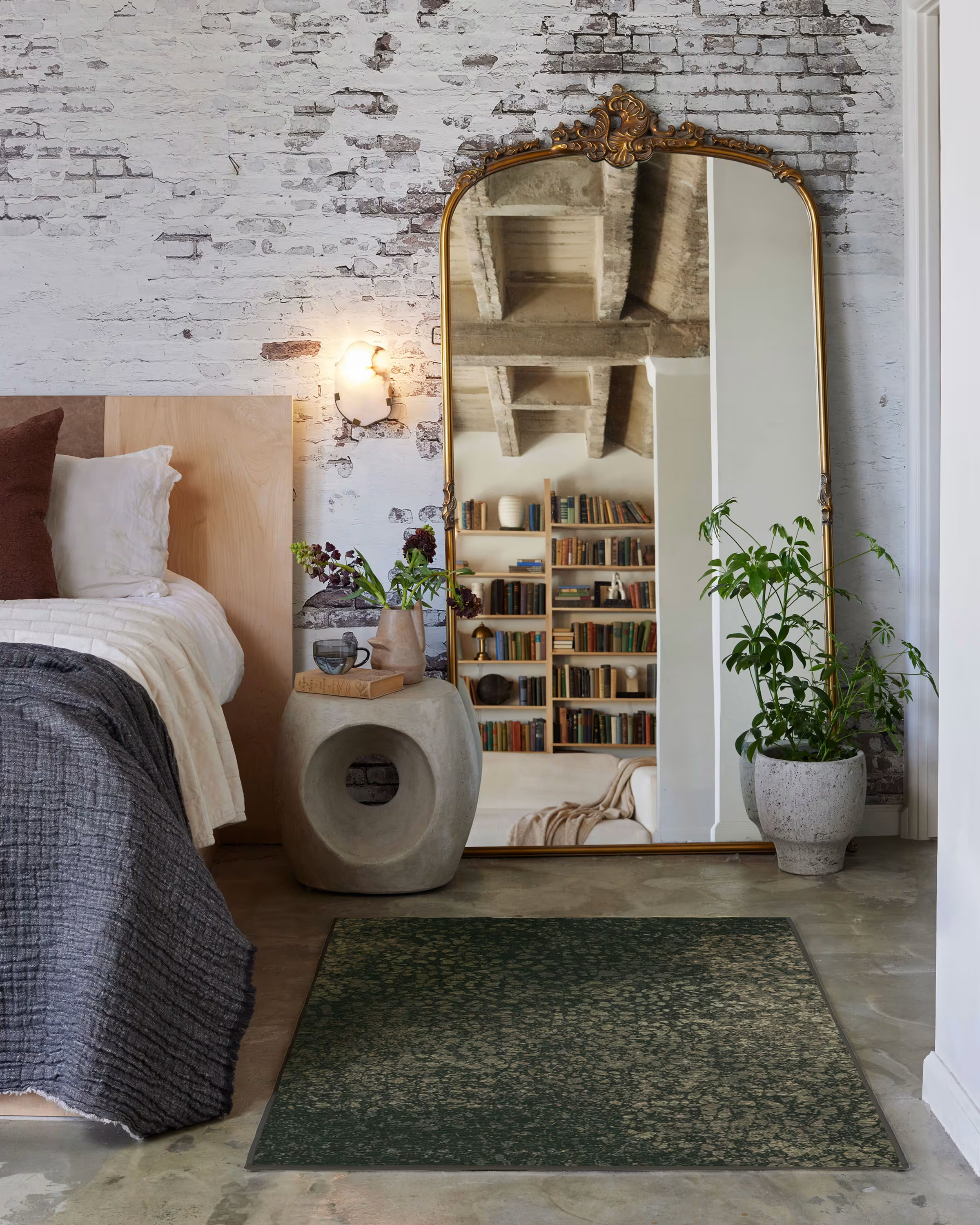
A bedroom rug should be the soft counterbalance to raw edges, comfortable underfoot and grounding enough to make the space feel intentional.
Muted tones work best: charcoal, slate blue, faded rust, and deep bronze. Pair a geometric rug with simple, clean-lined bedding, or layer a distressed neutral rug beneath a more expressive duvet. Style tip: a rug with rich, grounding tones can do more for an industrial bedroom than almost any other addition. It's the layer that helps the space feel intentional rather than sparse.
Runner Rugs For Hallways, Kitchens & Entryways
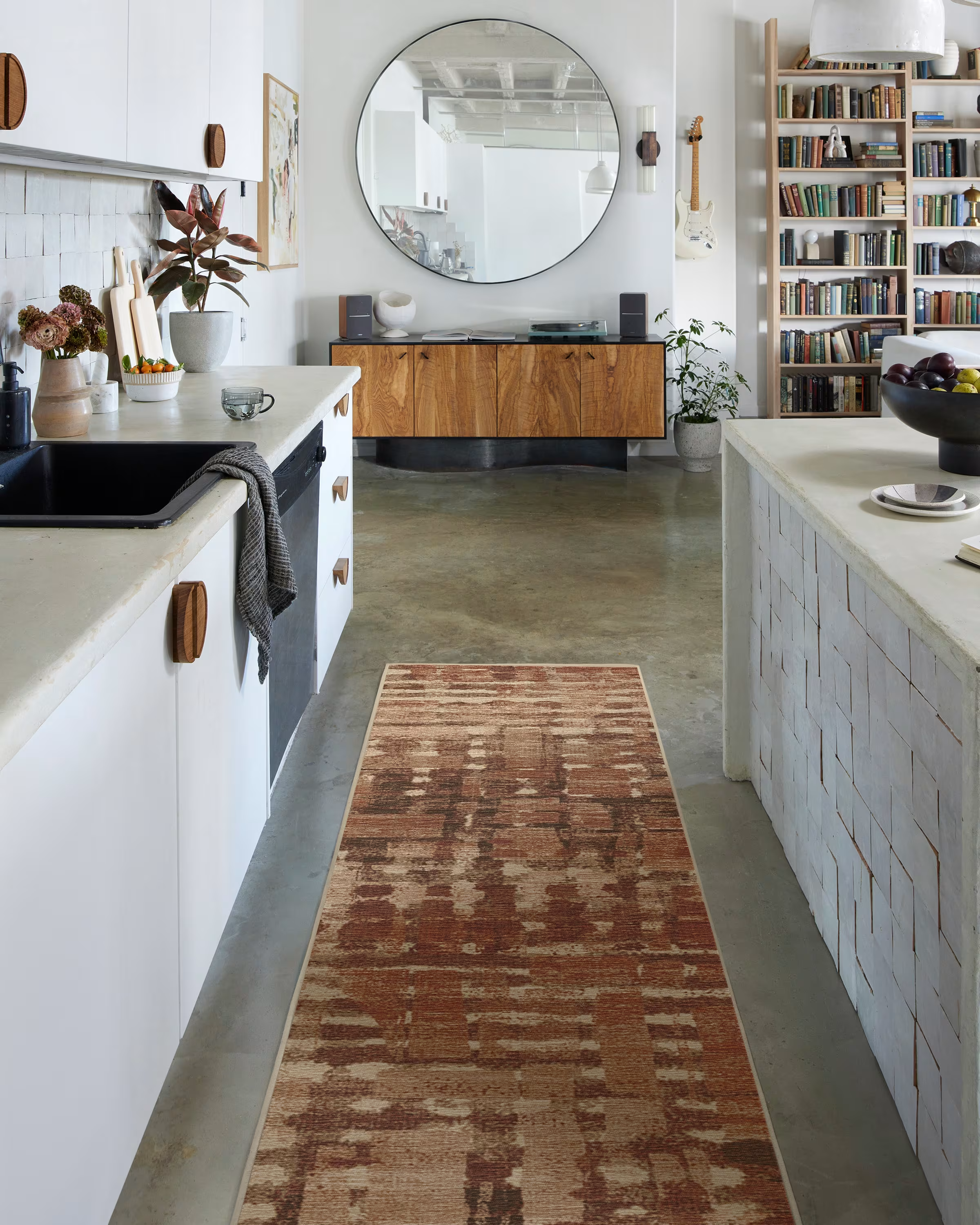
An industrial runner rug extends the style through the whole home. Look for geometric motifs, linear patterns, or neutral tones. In the kitchen, a washable runner handles cooking, kids, and foot traffic without losing its character.
Ground your entryway with a doormat or small rug that sets the tone before anyone steps inside.
How To Soften Concrete Floors With Rugs
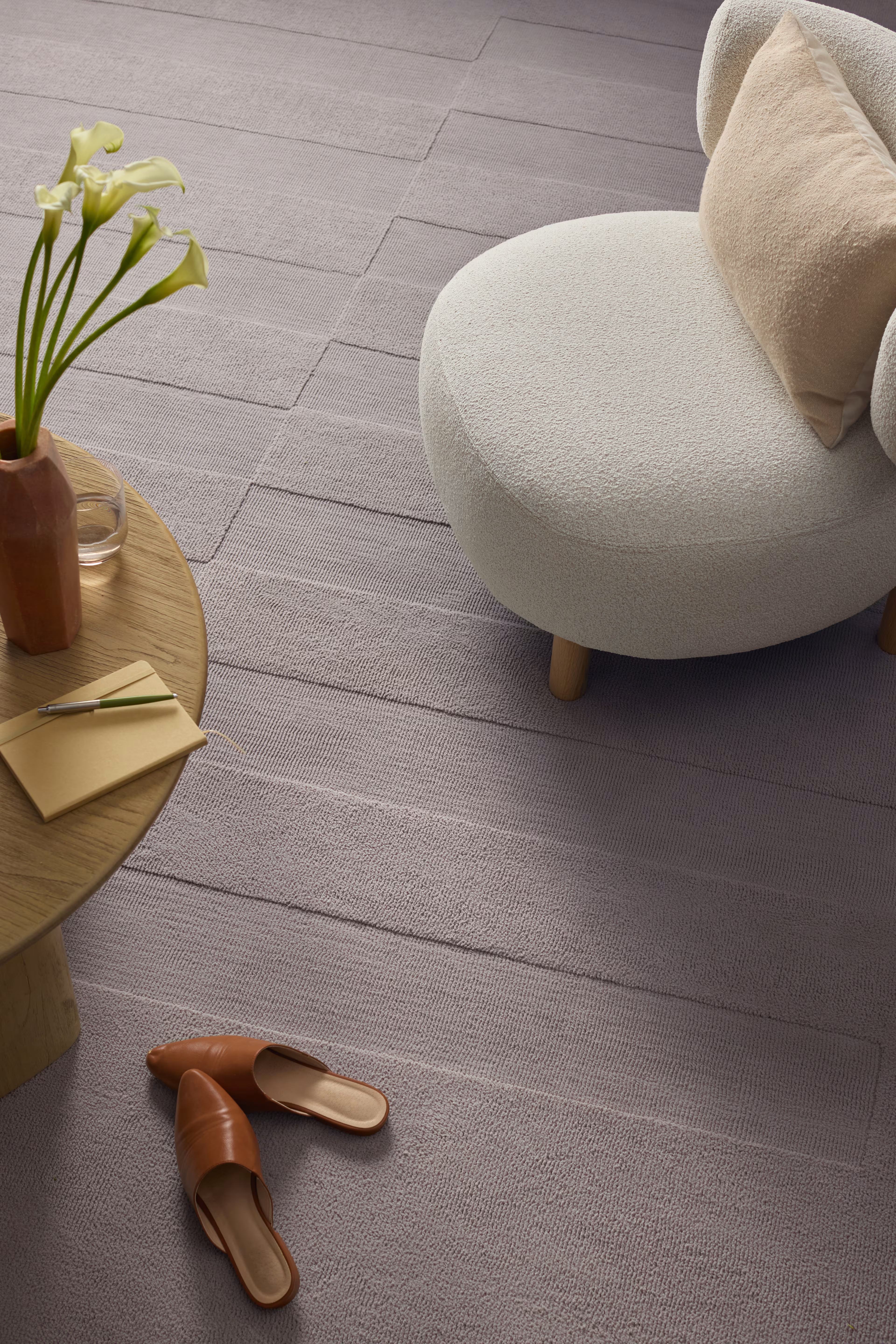
The solution to an industrial space that feels cold isn't less concrete, it's the right rug on top of it. Start with a larger rug in the main living area, using a muted pattern or tonal texture that softens without stealing focus. In smaller spaces, a bold accent rug can define a zone within an open-plan layout.
For colour, lean into the palette that defines the style: charcoal, slate, warm grey, iron black, rust, and cream. These tones layer naturally with raw materials and are easy to build around. The sweet spot is a pattern that feels graphic and modern but slightly softened, structured enough to feel intentional, worn enough to feel lived-in.
Mix the smooth and the rough: a flatwoven rug on polished concrete, a plush rug beneath a metal-framed dining table. Let your rug guide the room's palette. Pull accent colours into cushions, lighting, or art to create cohesion across pieces that vary in material and finish. For colour pairing help, see our rug and floor colour guide.
Can You Mix Rug Styles In An Industrial Home?
They don't all need to match — in fact, they shouldn't. A distressed abstract in the living room, a textured rug in the bedroom, a bold geometric runner in the hall. The variety is the point. The connecting thread is a shared tonal range running through all your choices, so the home feels like one story told room by room.
What Size Rug For An Industrial Space?
Going too small is the most common mistake — it breaks the visual anchor the rug is meant to create. In open loft layouts especially, always err larger.
Room | Recommended Size | Rule of Thumb |
|---|---|---|
Living Room | 245x305 cm or 275x365 cm | Front legs of all seating on the rug |
Bedroom (Queen) | 245x305 cm | Extends 45–60 cm (18–24") beyond each side of the bed |
Bedroom (King) | 275x365 cm | Same principle, scaled up |
Dining Room | 245x305 cm or larger | All chair legs on rug, even when pulled out |
Hallway / Kitchen | 75x215 cm or 75x305 cm runner | Leave 10–15 cm (4–6") of floor on each side |
Entryway | 90x150 cm or 120x185 cm | Cover the main foot traffic zone |
For more, visit our Rug Size Guide.
How To Clean Industrial Rugs
Industrial spaces are meant to be lived in — and your rugs need to keep up. Ruggable's washable rugs are designed for exactly that: machine wash, tumble dry low, lay it back down. Patterns hold, colours stay, character intact. For step-by-step care, visit our Ruggable washing instructions.
Create an Industrial Space That Lasts
Industrial interior design isn't about perfection. It's about creating a space that feels authentic, functional, and uniquely yours. By balancing raw materials with texture and comfort, you can achieve a look that feels both timeless and lived-in.
Start with a rug that sets the foundation, then build from there. The best industrial spaces evolve over time, collecting character with every layer.
Frequently Asked Questions
Yes. Its longevity comes from versatility — it blends easily with mid-century, Scandinavian, and contemporary aesthetics and works in urban lofts and suburban homes alike.
Industrial design stays close to its raw, warehouse-inspired roots: rough textures, dark metals, minimal ornamentation. Modern industrial softens those elements with cleaner lines and lighter palettes. Both work well with the same rug types: low-pile, geometric, or distressed patterns in neutral tones.
Start with the rug. Layer in throws, leather cushions, warm-toned lighting, and reclaimed wood accents. The most successful industrial spaces feel intentional, not sterile.
Rust, terracotta, camel, or warm beige balance the cool materials in an industrial space. Even a warm charcoal or greige adds depth without disrupting the palette.
Metal-framed furniture, reclaimed wood tables, leather sofas, and concrete or stone surfaces. The rug acts as the soft counterpoint — the rawer the furniture, the more grounding the rug should be.
Ruggable
The Ruggable Team delivers home decor inspiration, practical rug care tips, and the latest interior styling trends. Our interior design enthusiasts and textile experts share creative ideas and easy-to-follow advice, helping you create stylish, comfortable, and easy-to-maintain spaces.
Follow Us